
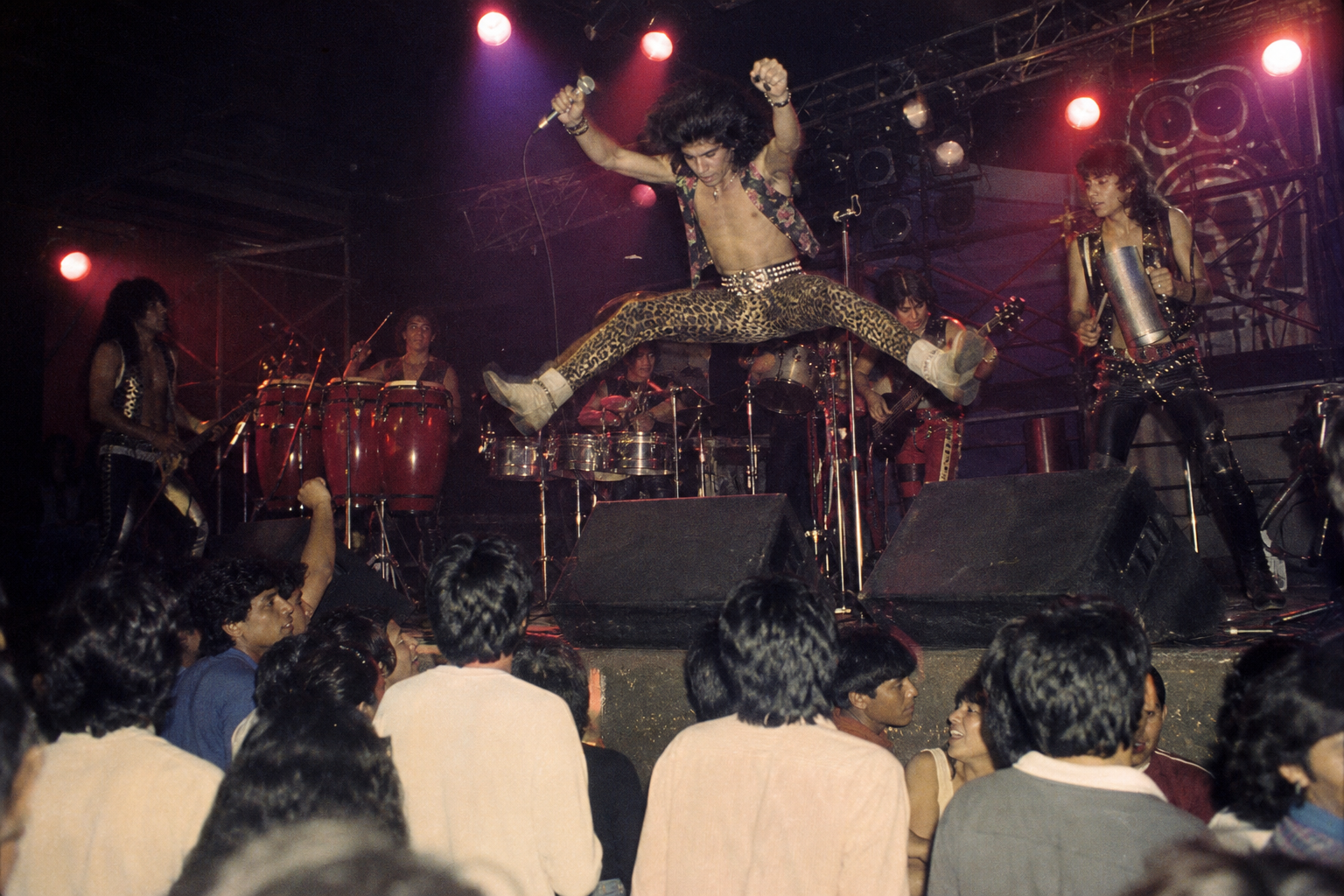
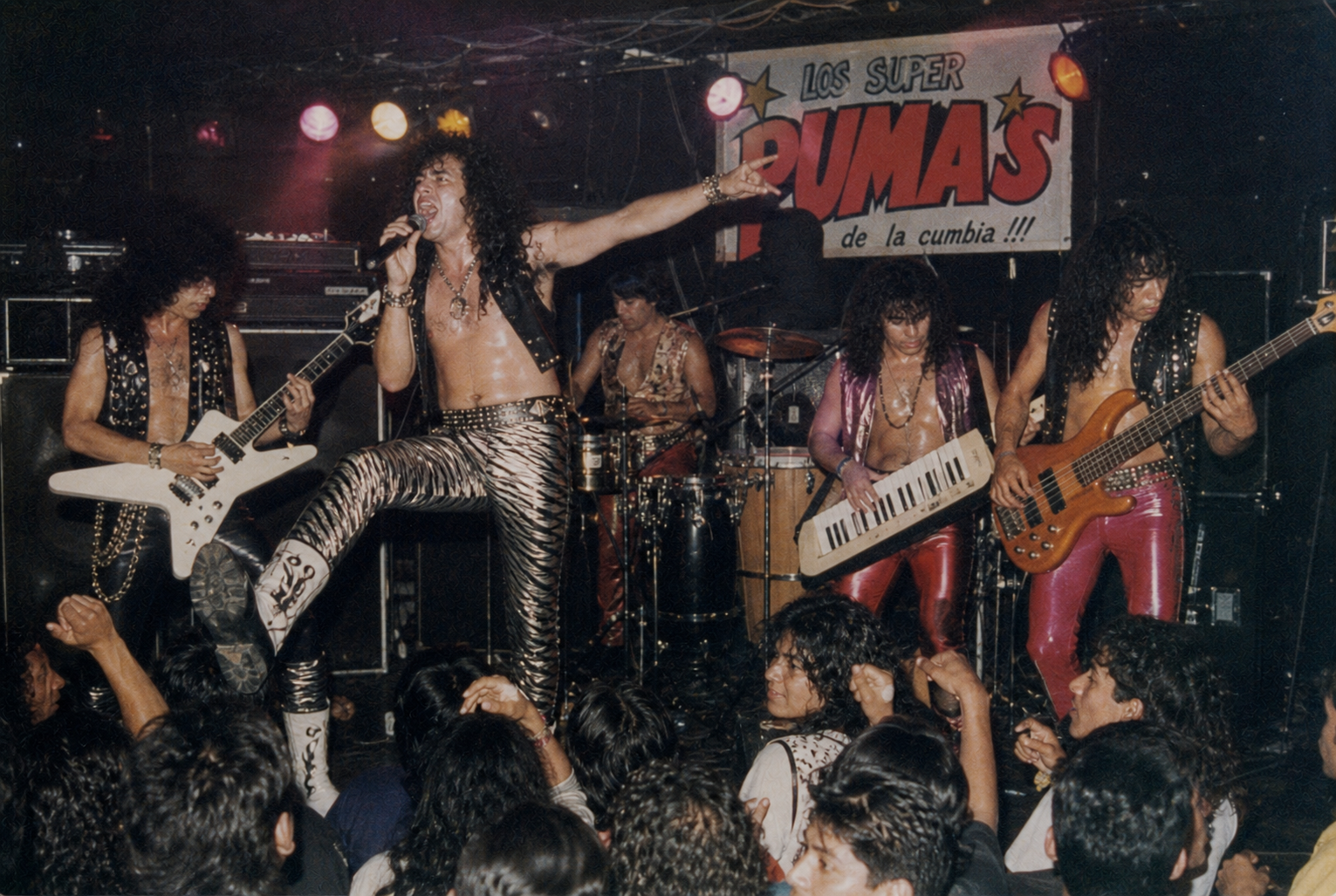
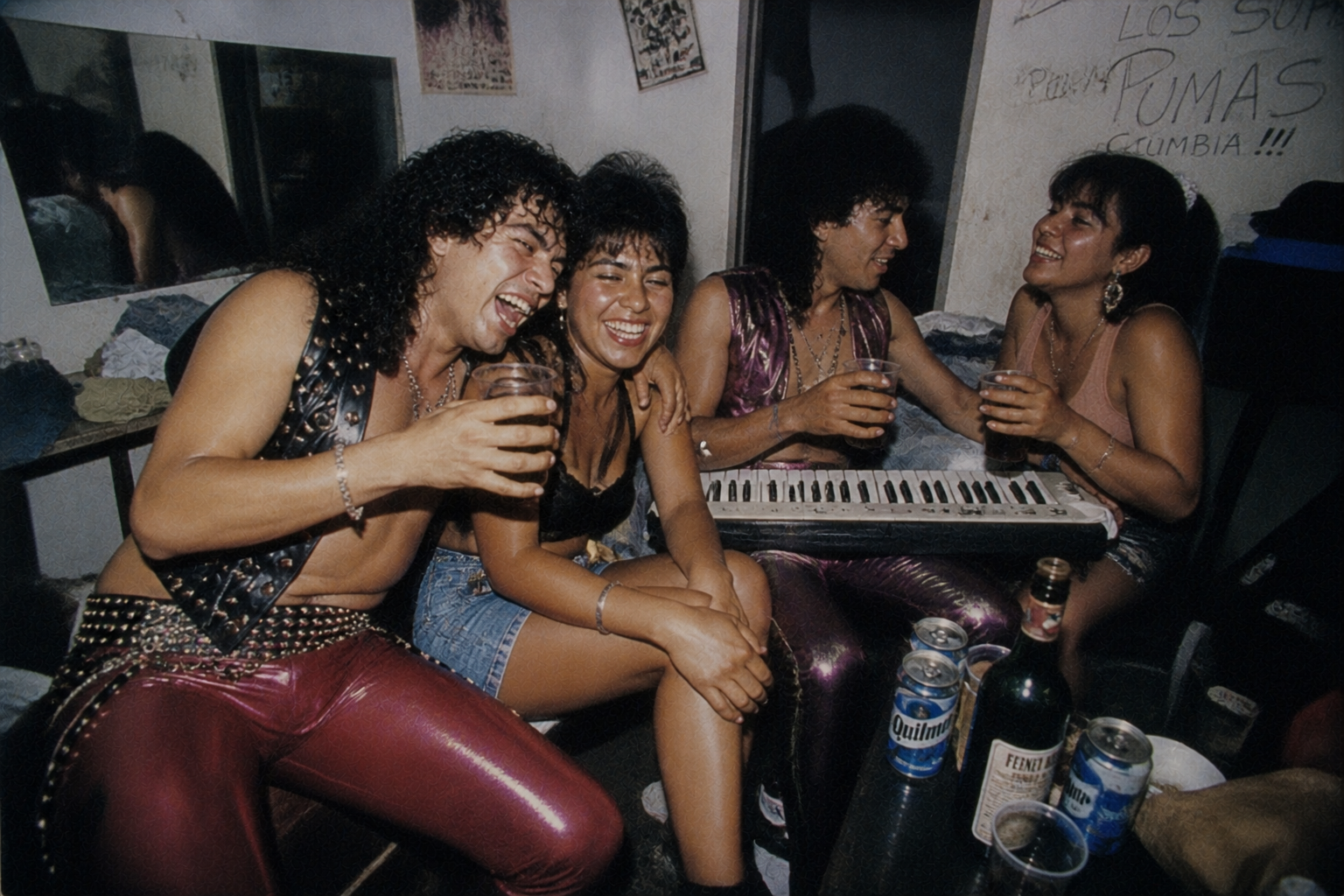
The Super Pumas, Michelangelo, 1991.
La Cumbia Perdida
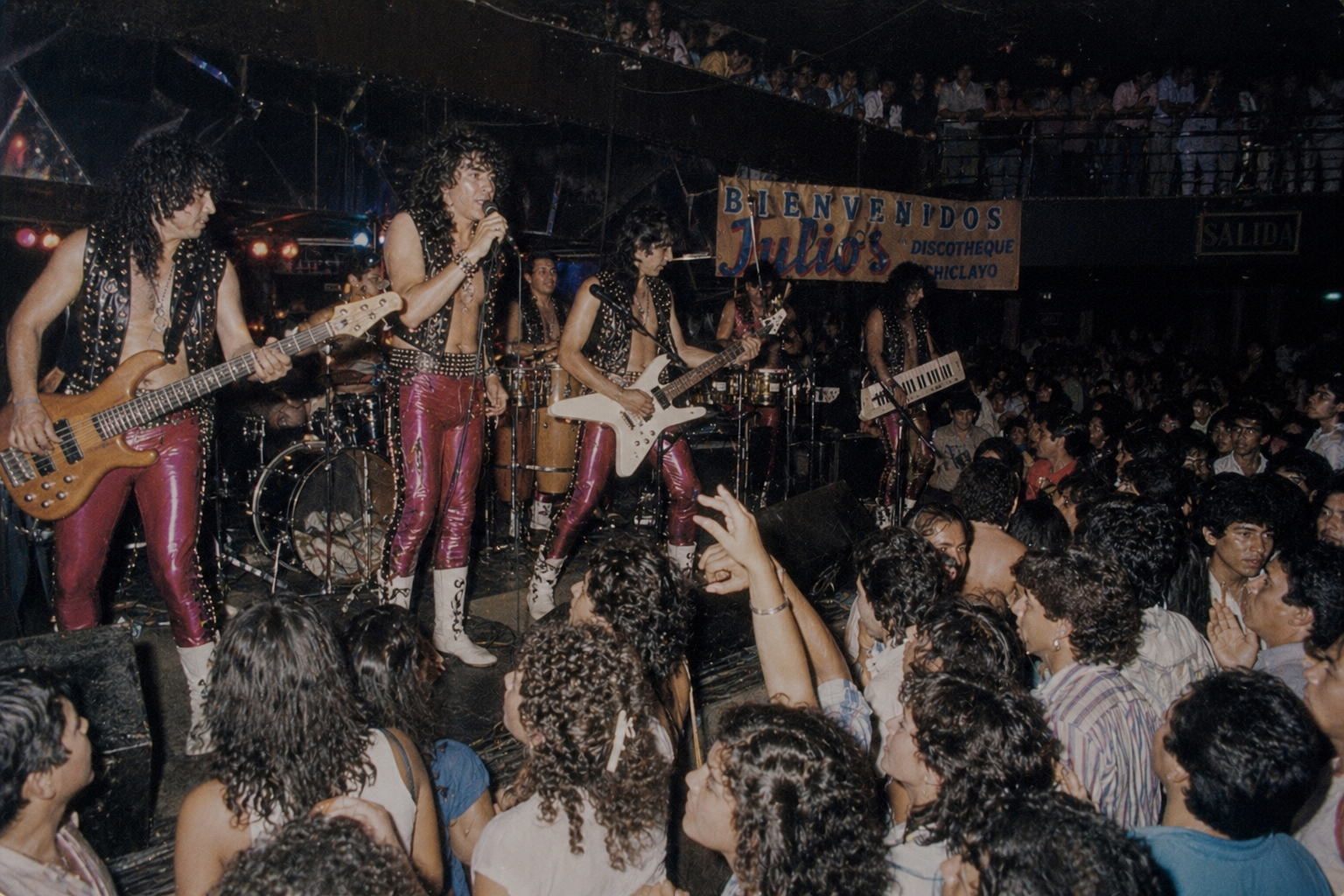
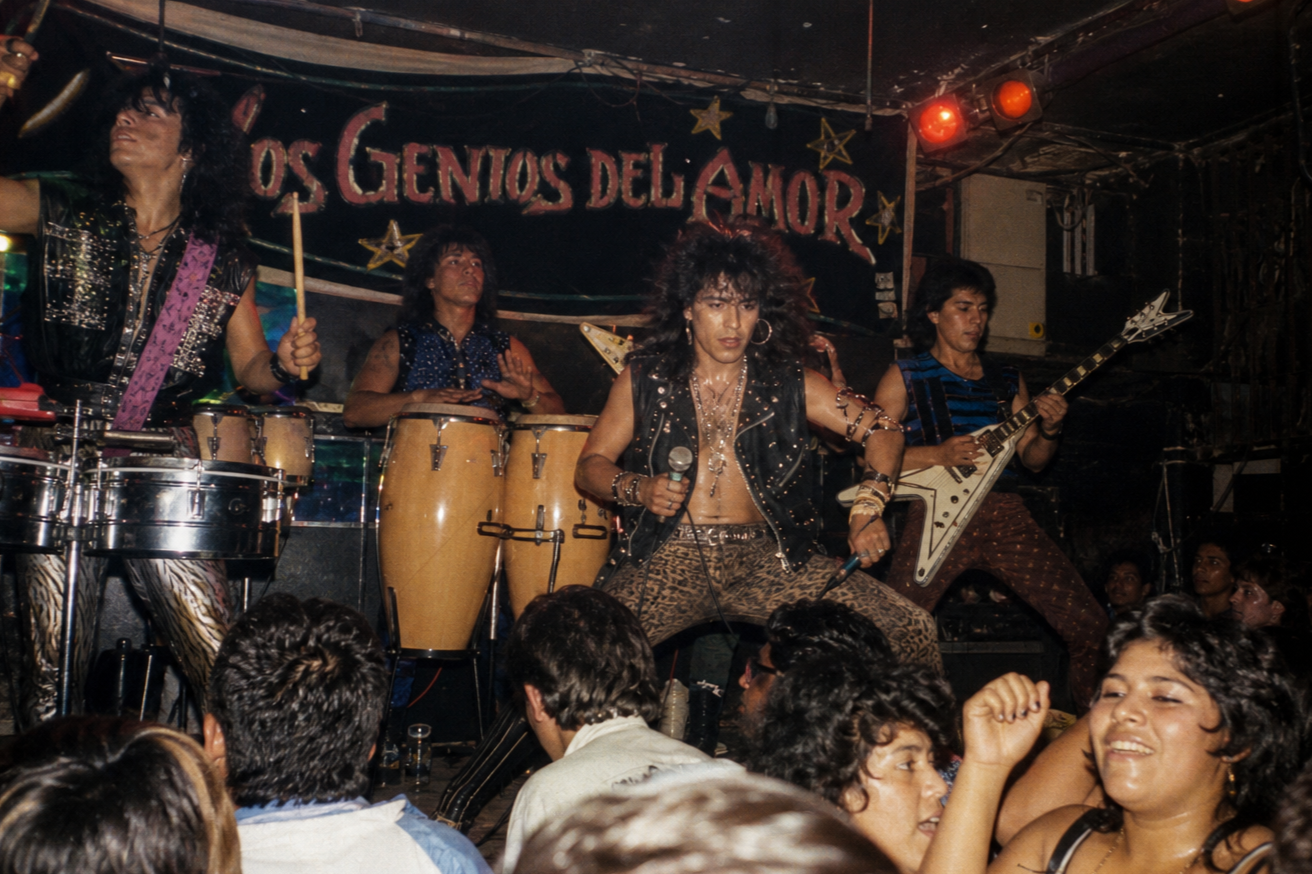
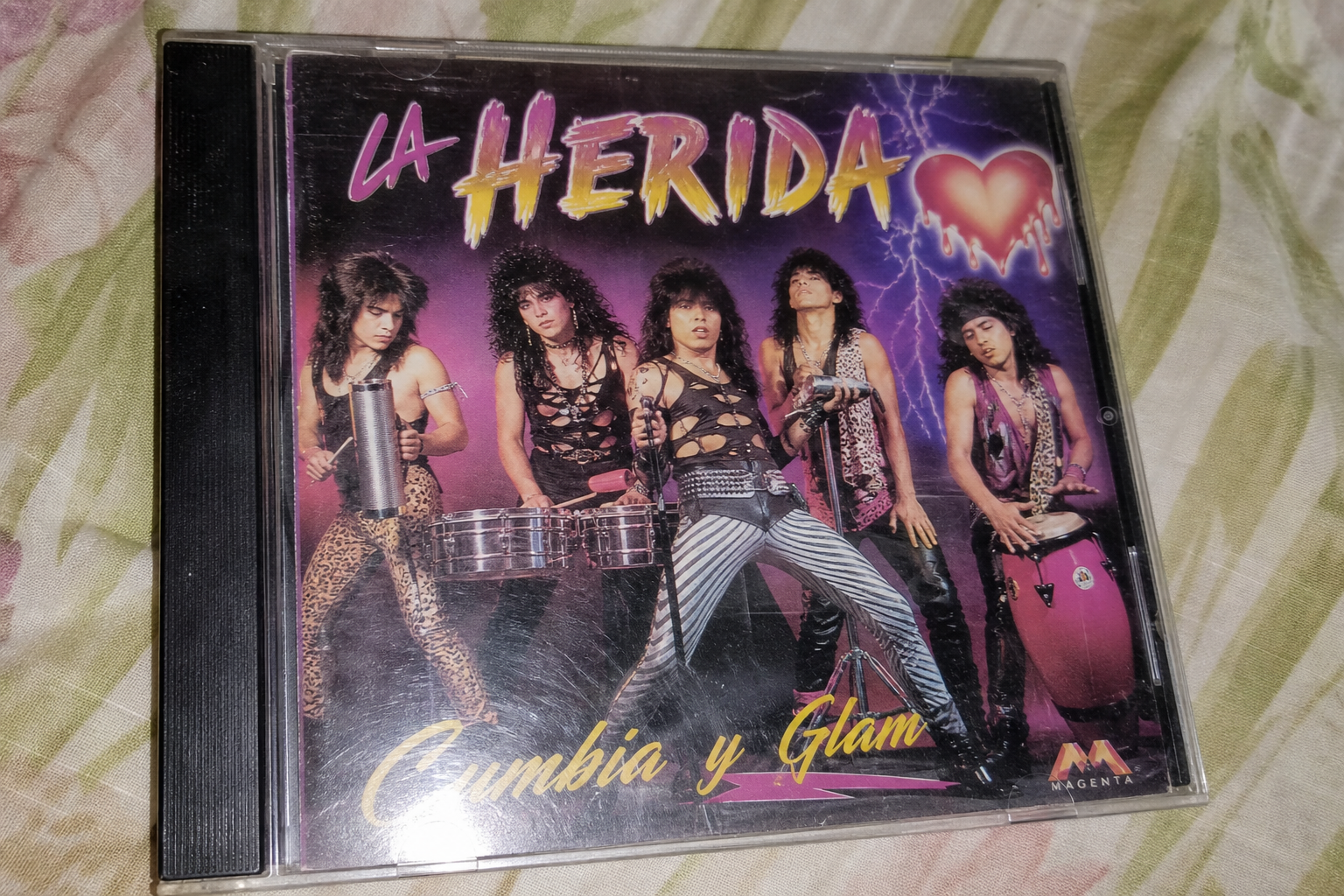
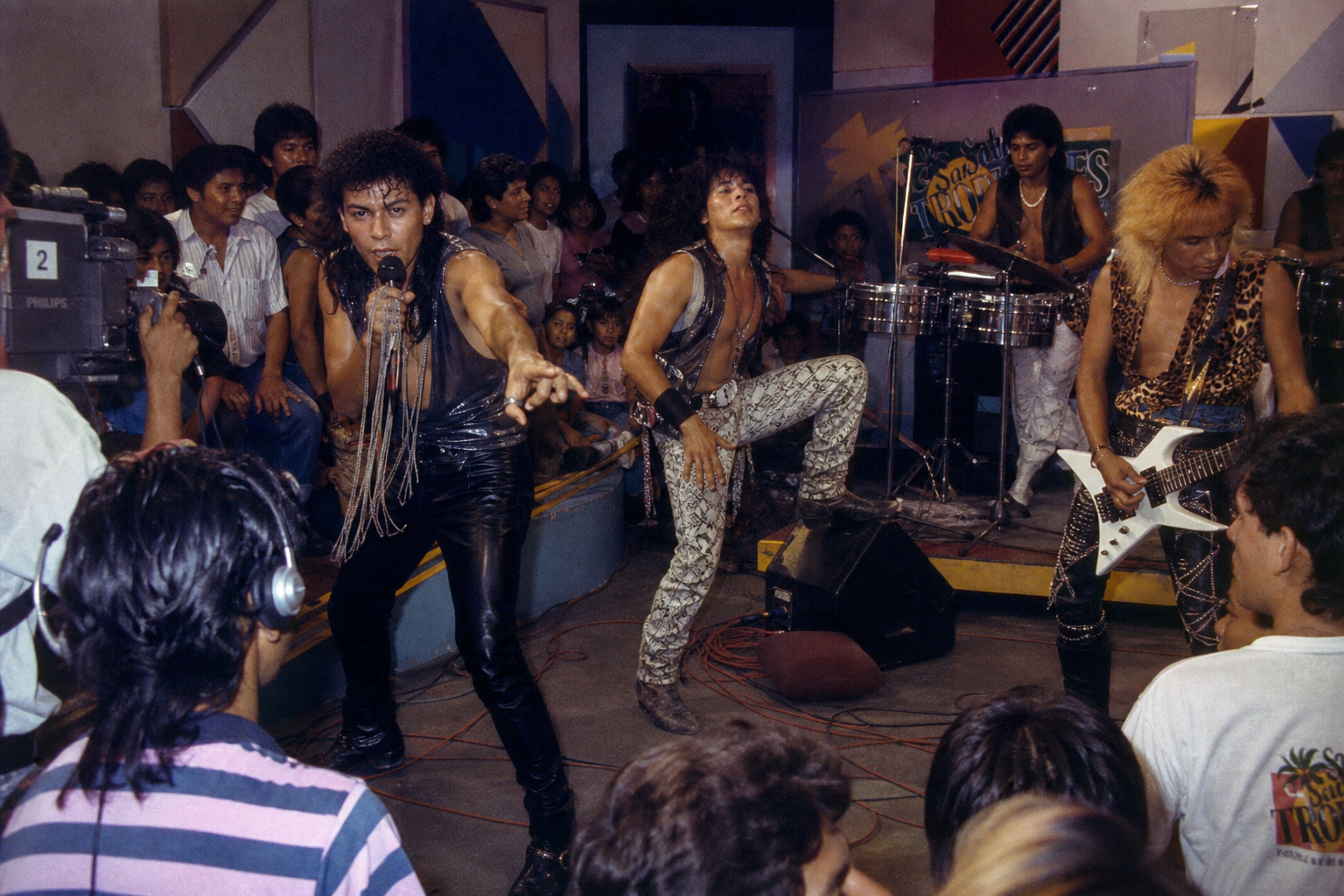
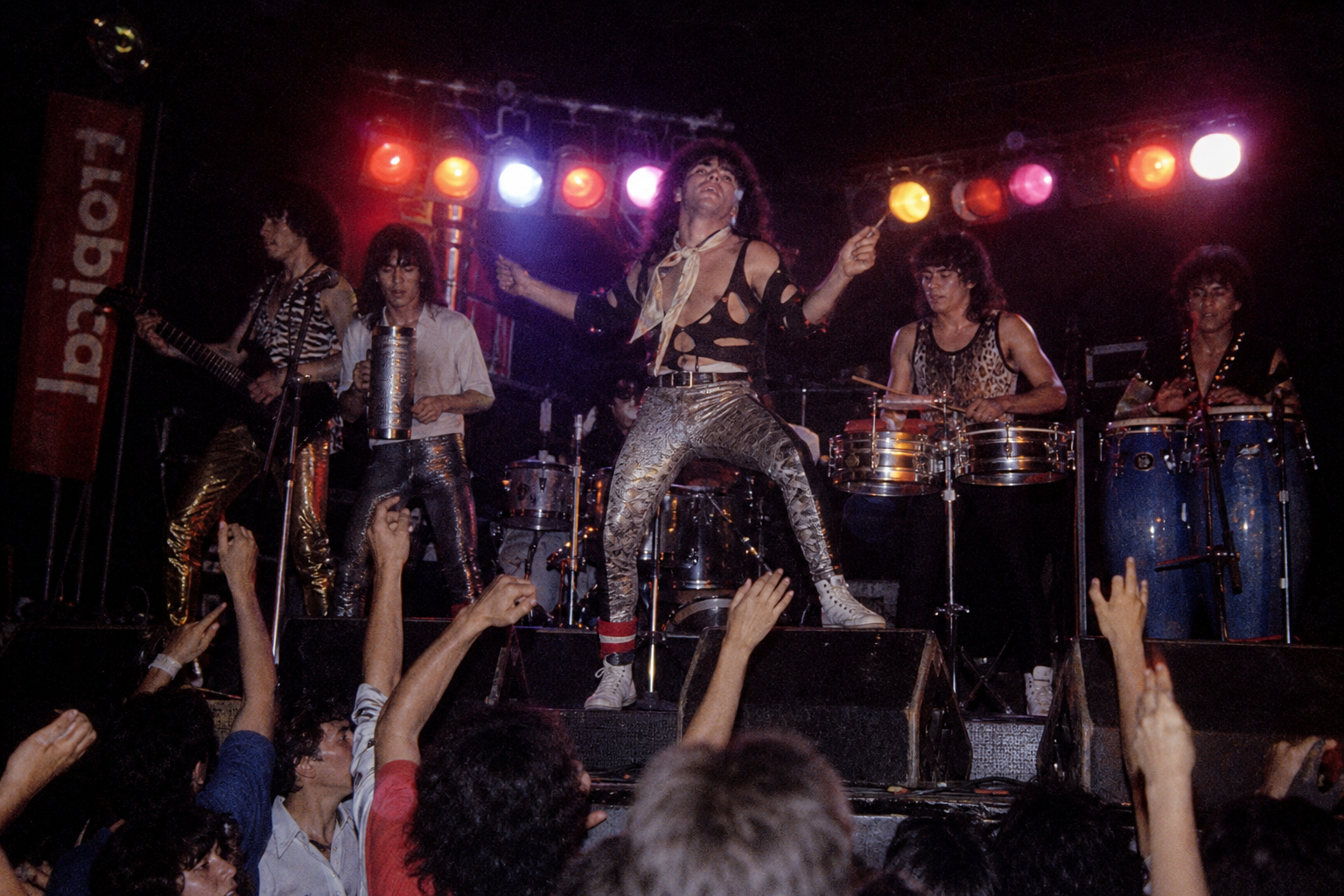
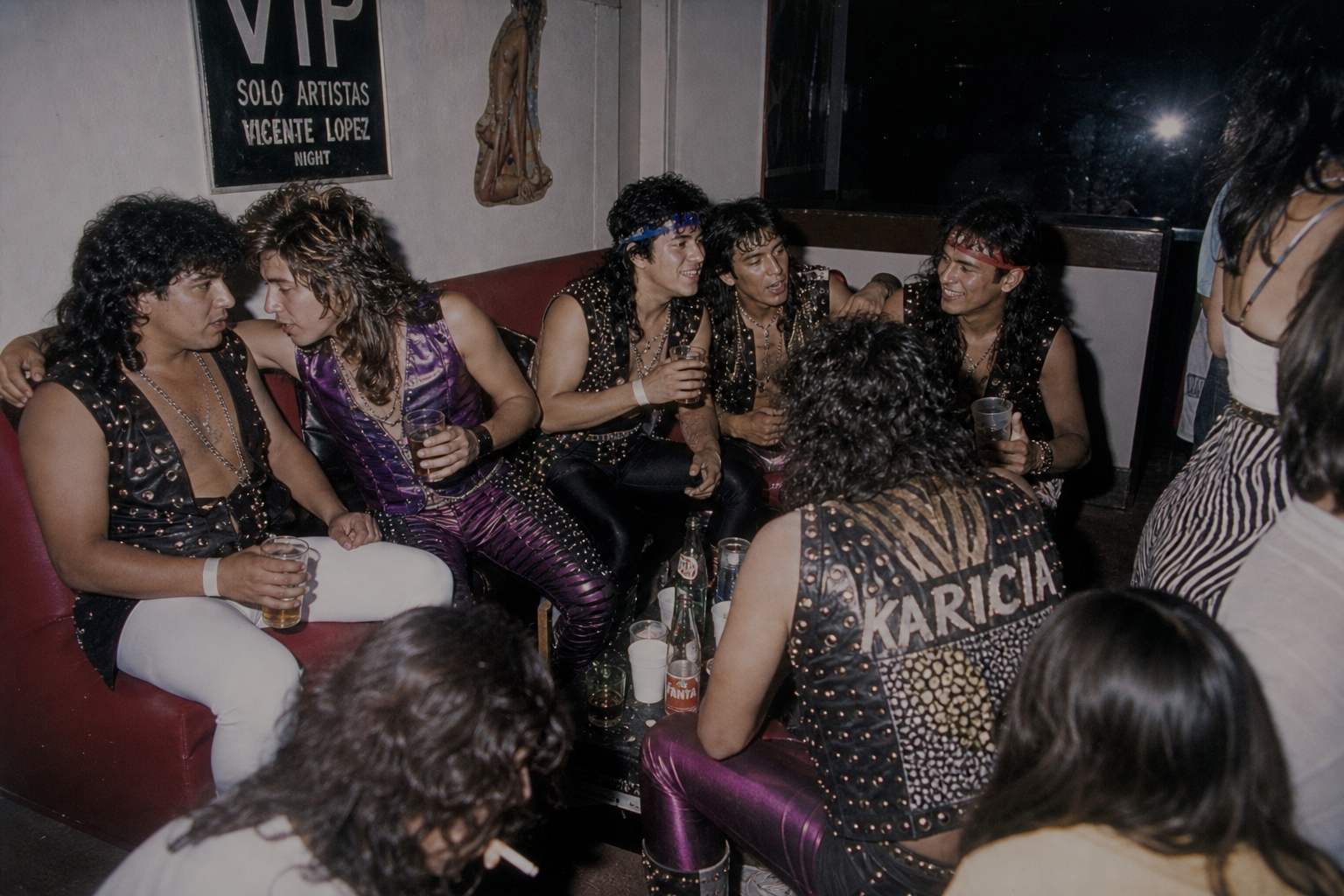
A fines de los 80 y principios de los 90, apareció en Argentina una variante de la cumbia que hoy casi no figura en ningún registro: la Cumbia Glam. Una vertiente más glamorosa que incorporaba muchos de los recursos visuales y musicales que le daban la impronta al glam metal que por aquellos años explotaba en Estados Unidos y Europa.
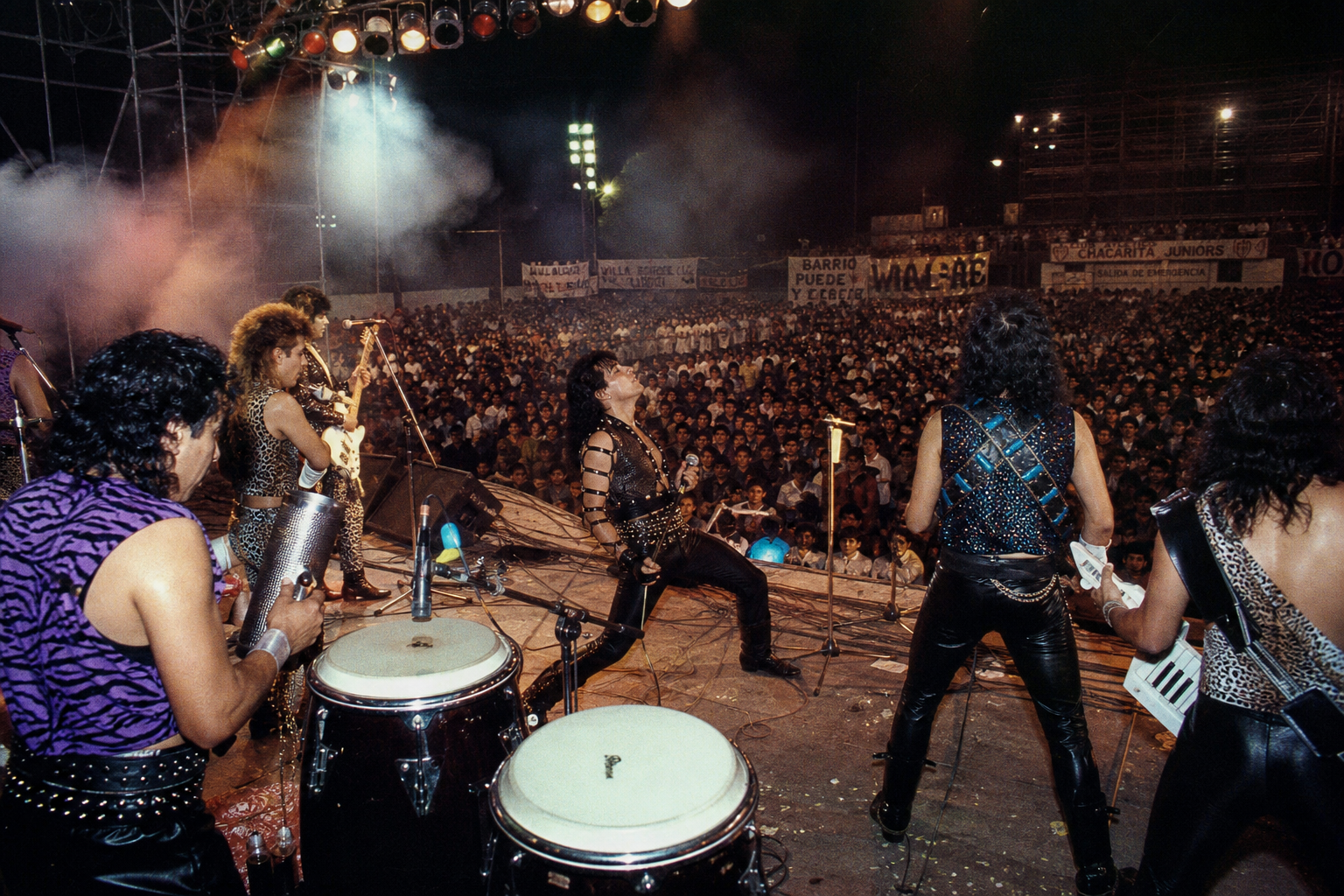
La base era cumbia, pero se destacaba por su ropa brillante, tachas, pelos batidos, maquillaje y una performance explosiva en el escenario. A nivel musical, por guitarras más presentes, fills de batería, coros enfáticos y una impronta más épica y grandilocuente que la habitual en el género.
Aunque impensado, fue la cumbia el género que se atrevió a importar esa estética glam que los argentinos nos estábamos perdiendo. Hoy, a la distancia, parece una leyenda. Sin embargo, ocurrió, aunque nunca haya terminado de entrar en el relato.
The Lost Cumbia
In the late ’80s and early ’90s, a variation of cumbia emerged in Argentina that today barely shows up in any record: Cumbia Glam. A more flamboyant branch that incorporated many of the visual and musical elements that defined glam metal, which at the time was exploding across the United States and Europe.
The foundation was still cumbia, but it stood out for its shiny outfits, studs, teased hair, makeup, and explosive stage performances. Musically, it featured more prominent guitars, bigger drum fills, and anthemic choruses than were typical of the genre.
As unlikely as it may sound, cumbia became the genre that dared to embrace the glam aesthetic Argentina was otherwise missing out on. Seen from a distance today, it feels almost like a legend. And yet, it happened, even if it never quite made it into the official story.
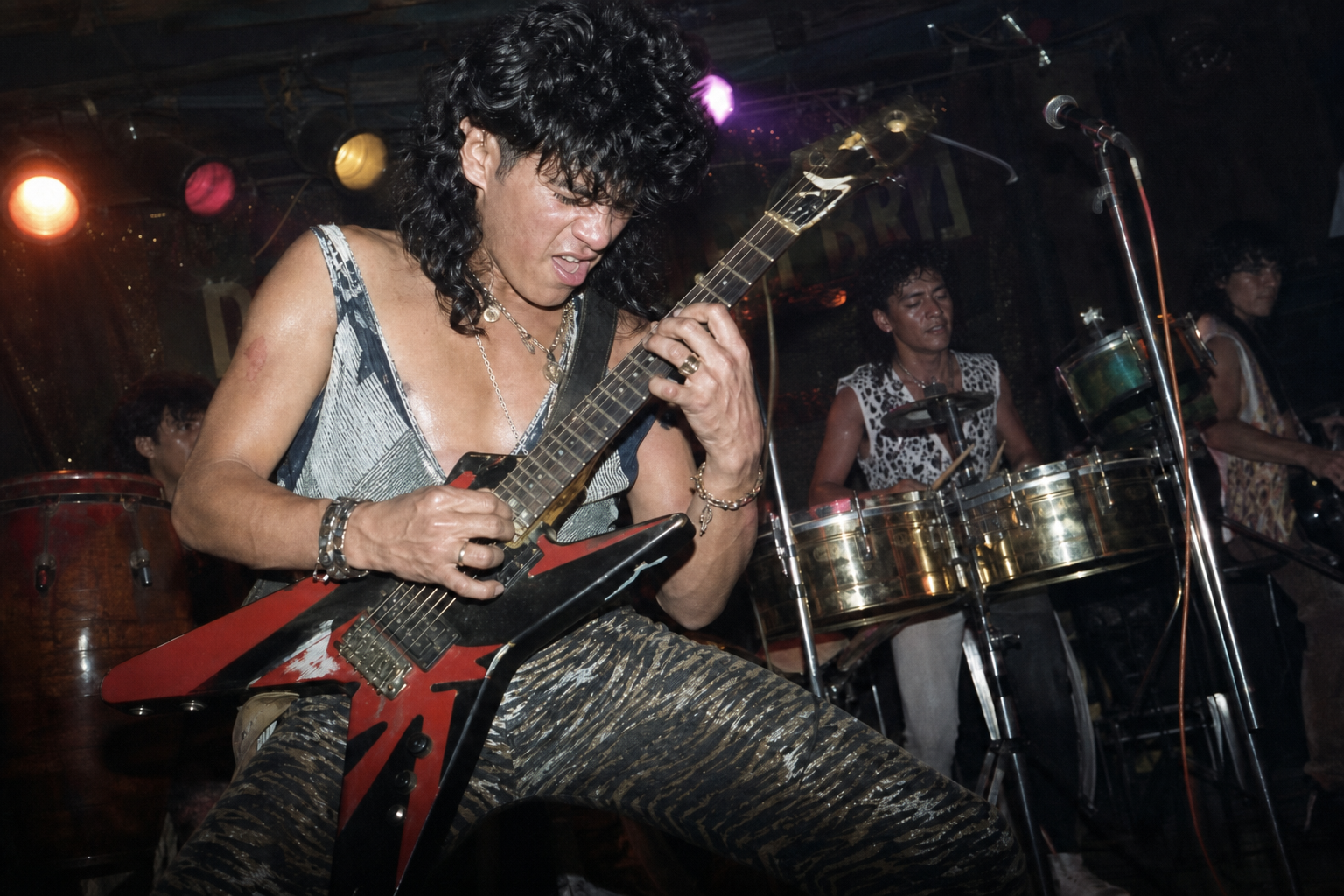
Beto Ledesma solo performance, Lokura.
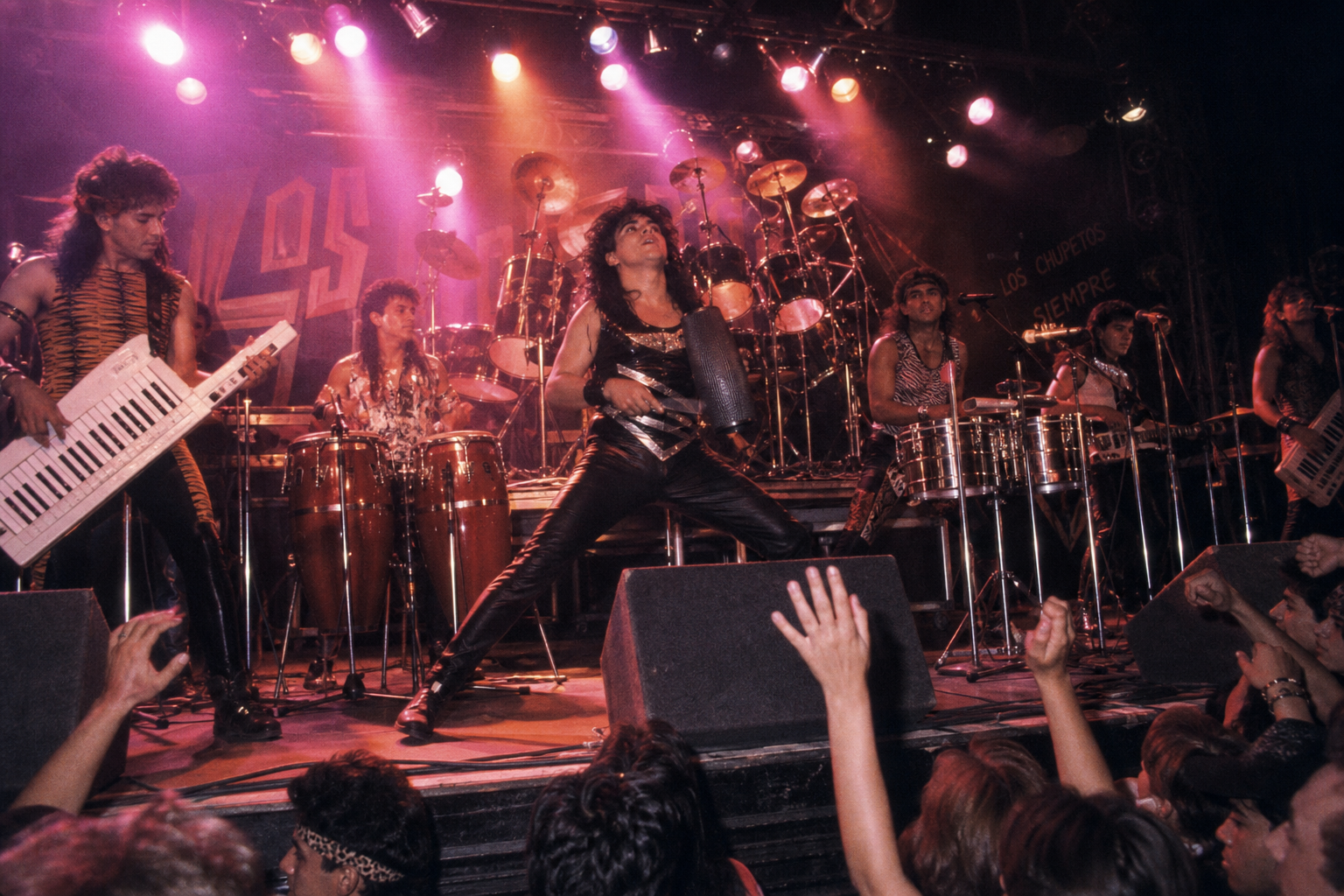
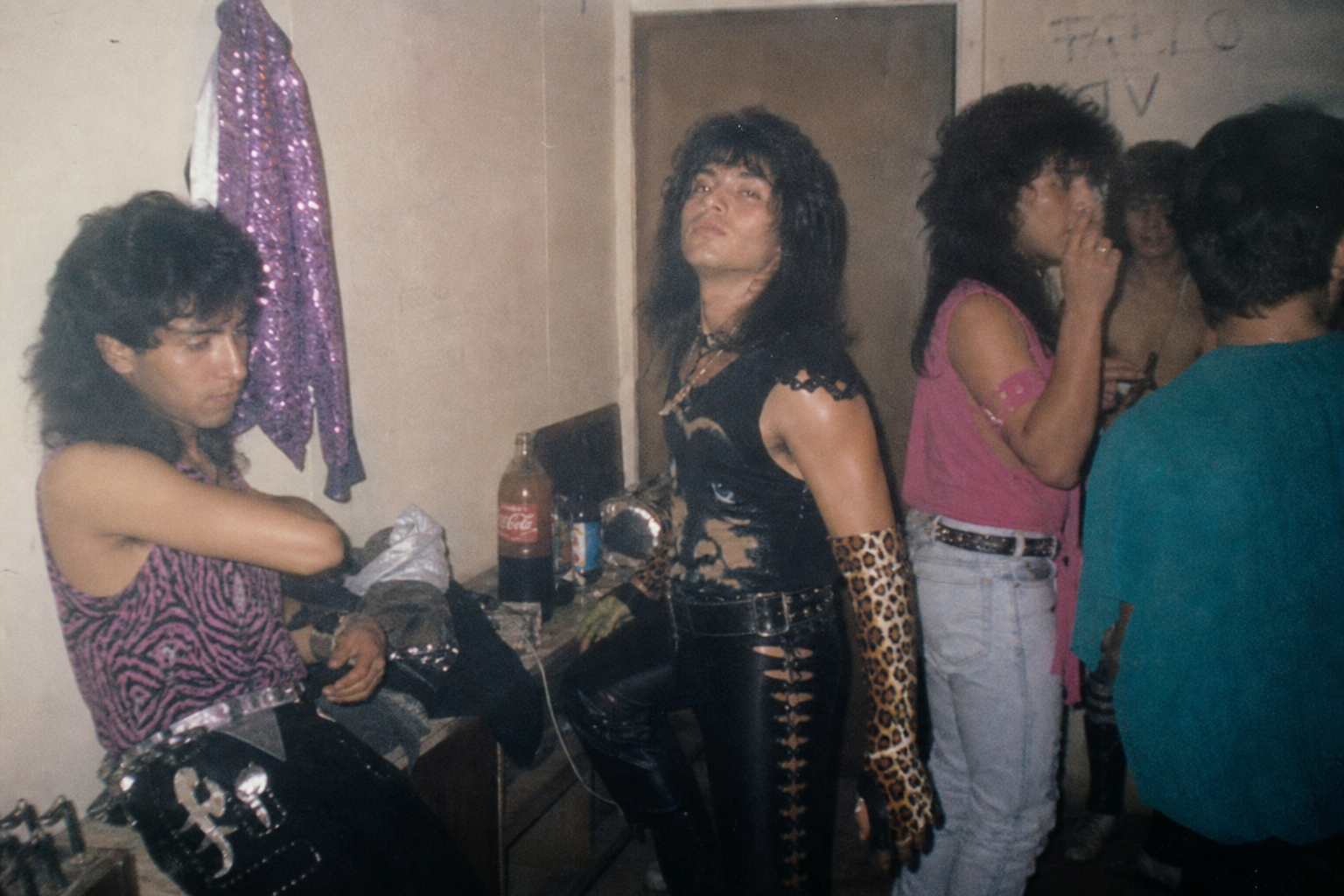
Photo by Carlos Rinaldi, cumbia scene photographer.
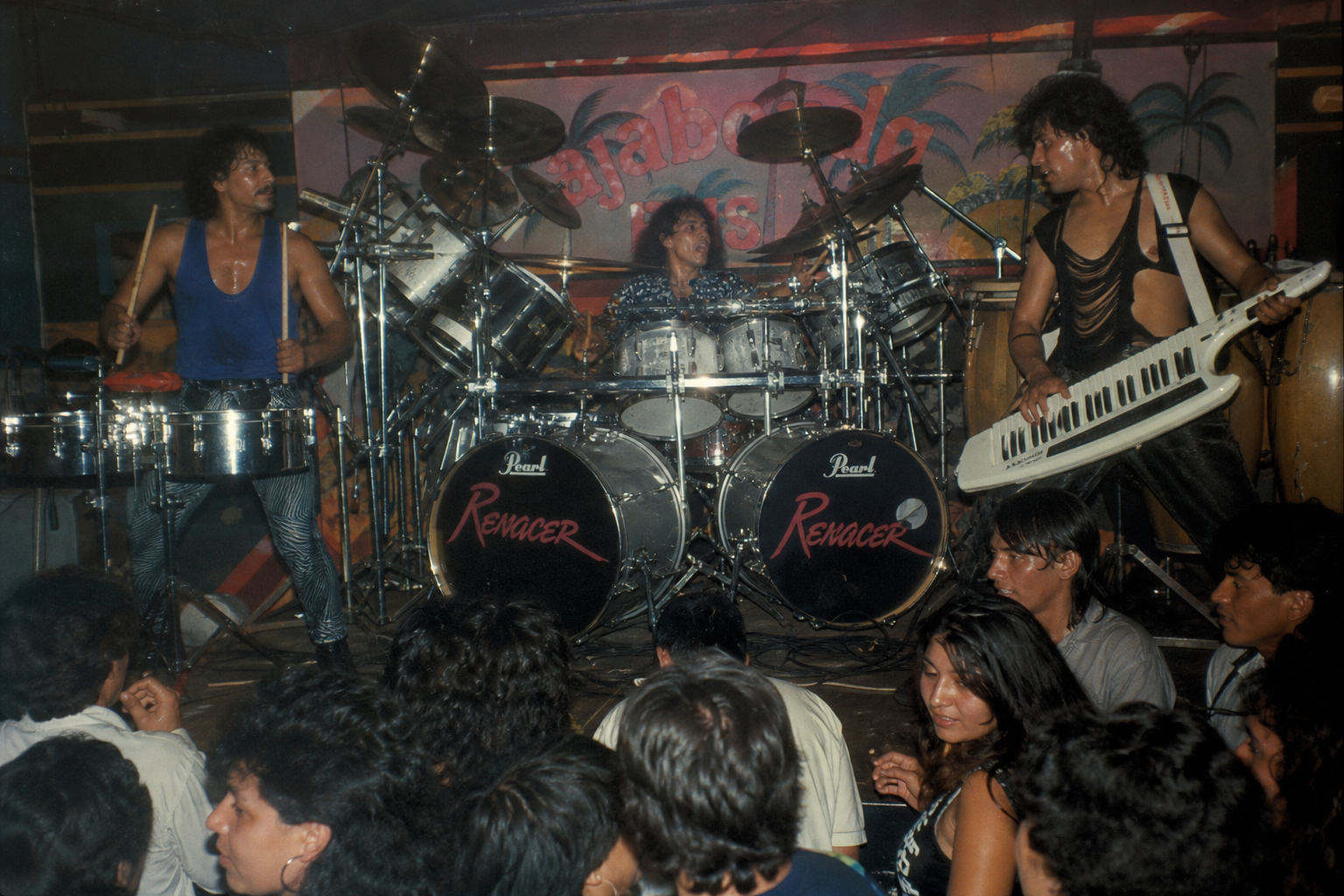
Gaby Ferreyra from Renacer, one of cumbia glam’s best drummers.
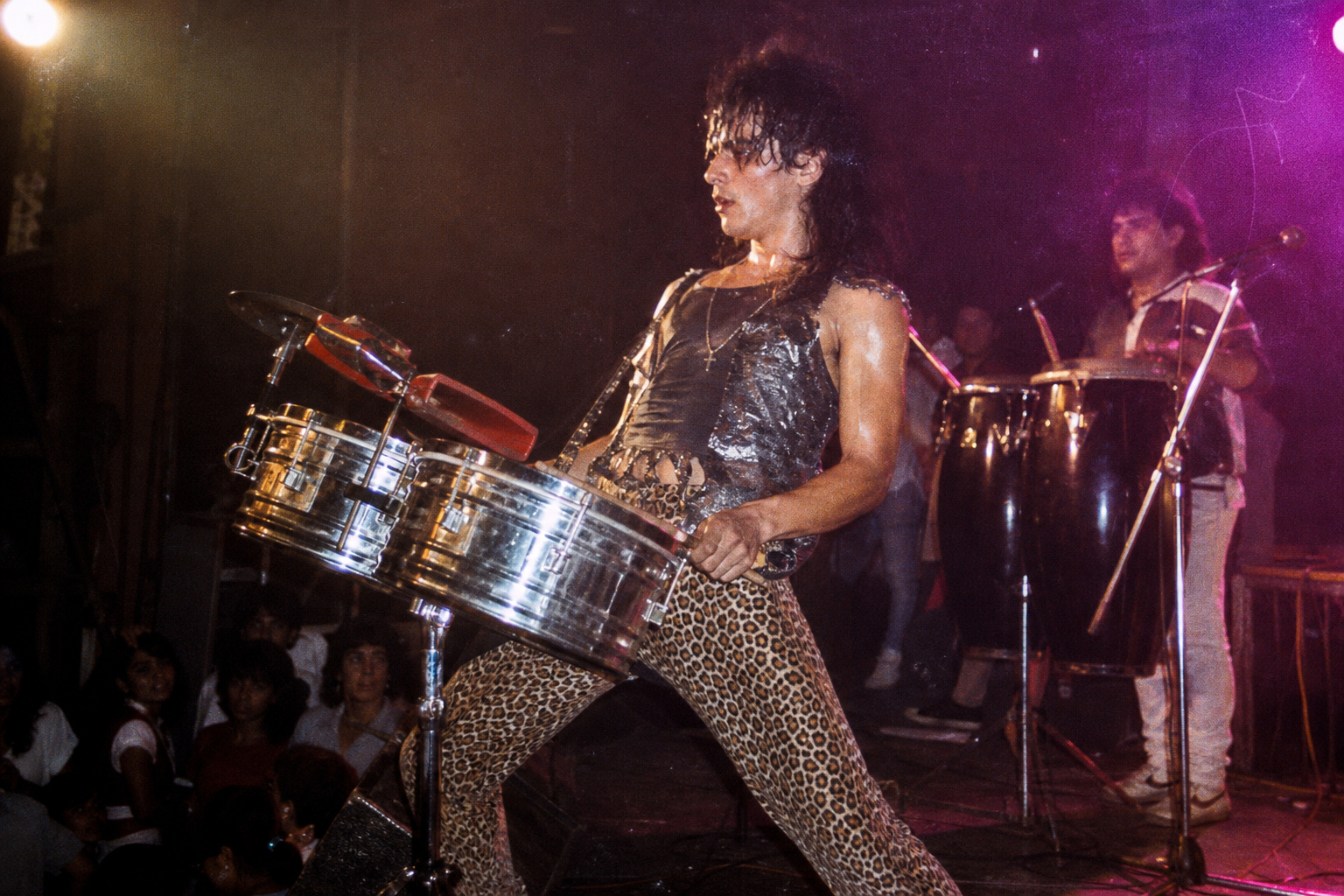
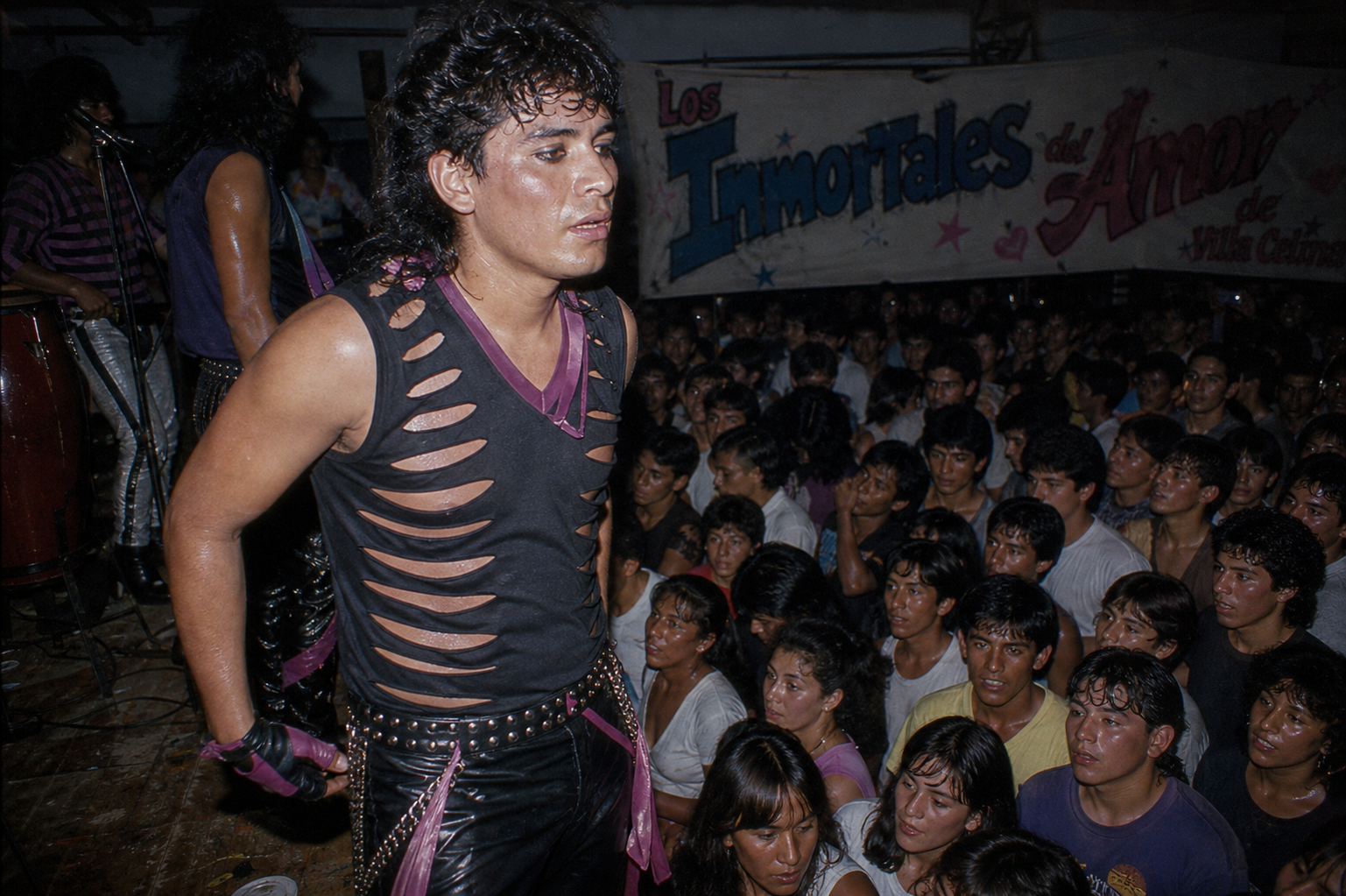
Diamante Negro lead singer Walter Subaco. Fantástico Bailable, Lanús.
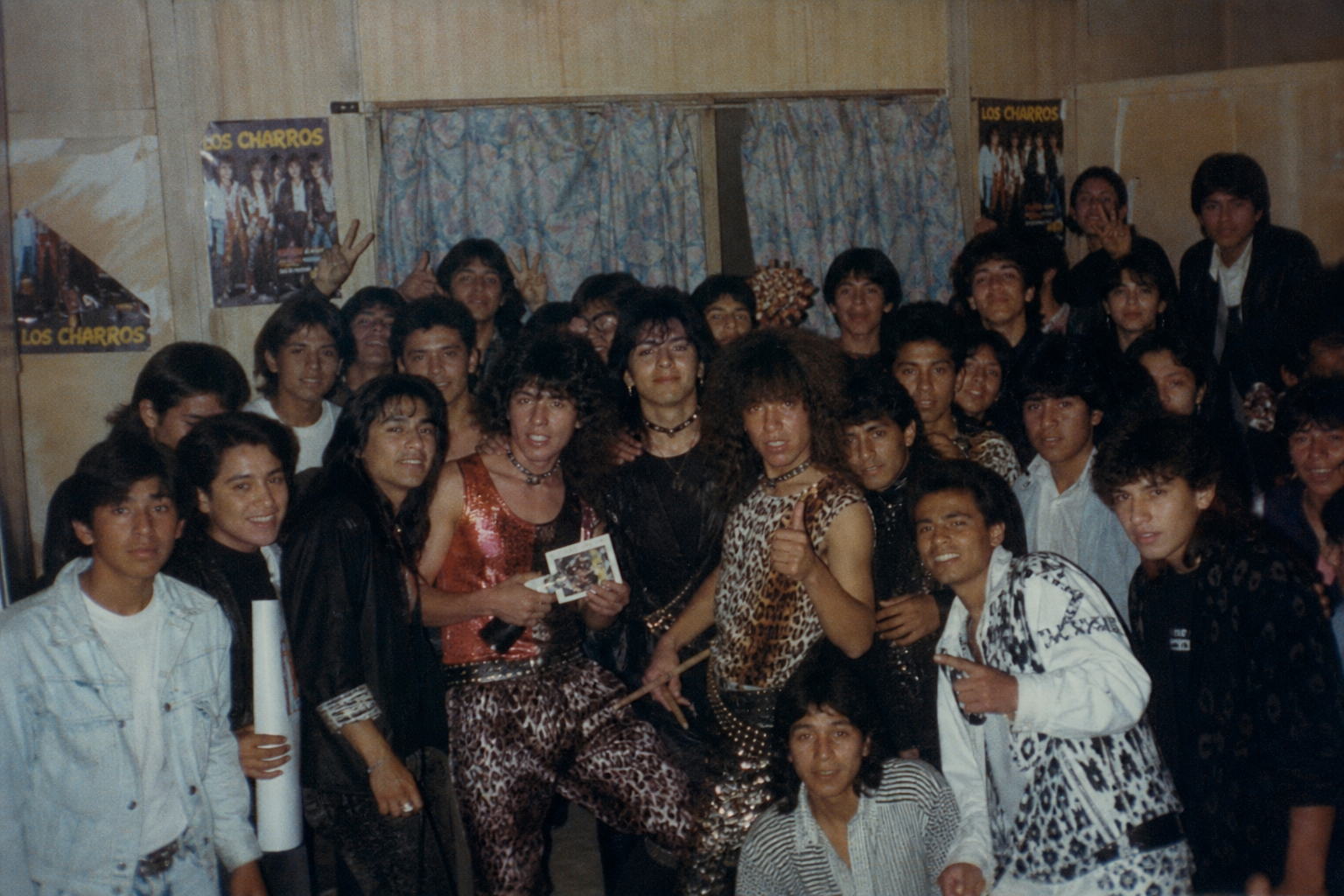
A-Dorada brothers promotional visit, Rafael Calzada, 1991.
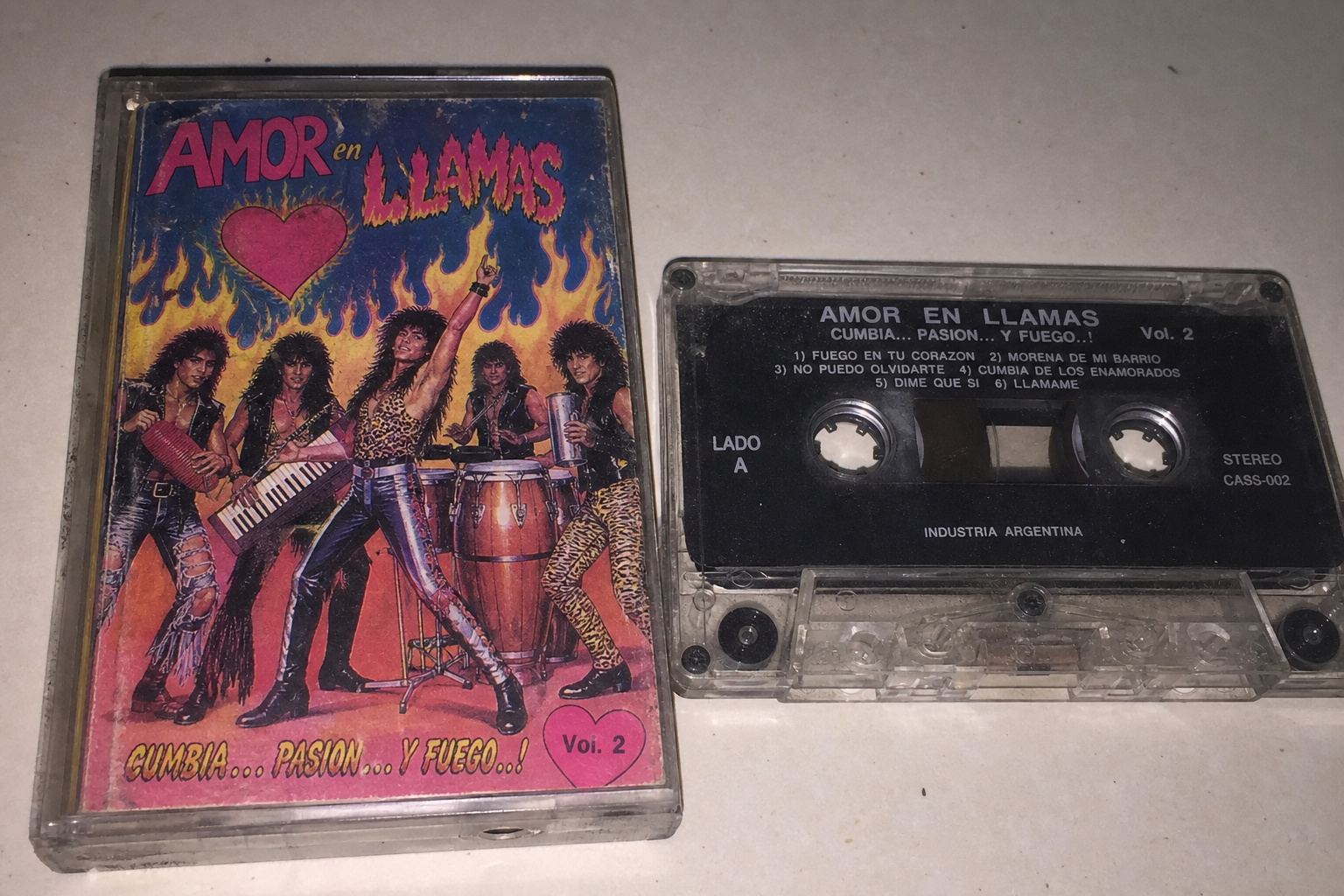
Original Masters
*Los Dallas, the only Cumbia Glam band to incorporate occasional English lyrics. Singer Ricky Costa spent part of his childhood in Miami.
About this AI project
This is a worldbuilding exercise: constructing a music scene that never existed through its own social dynamics, cultural behavior, aspirations, contradictions, and internal logic. An ai living cultural system, real enough to be documented from within.
——